
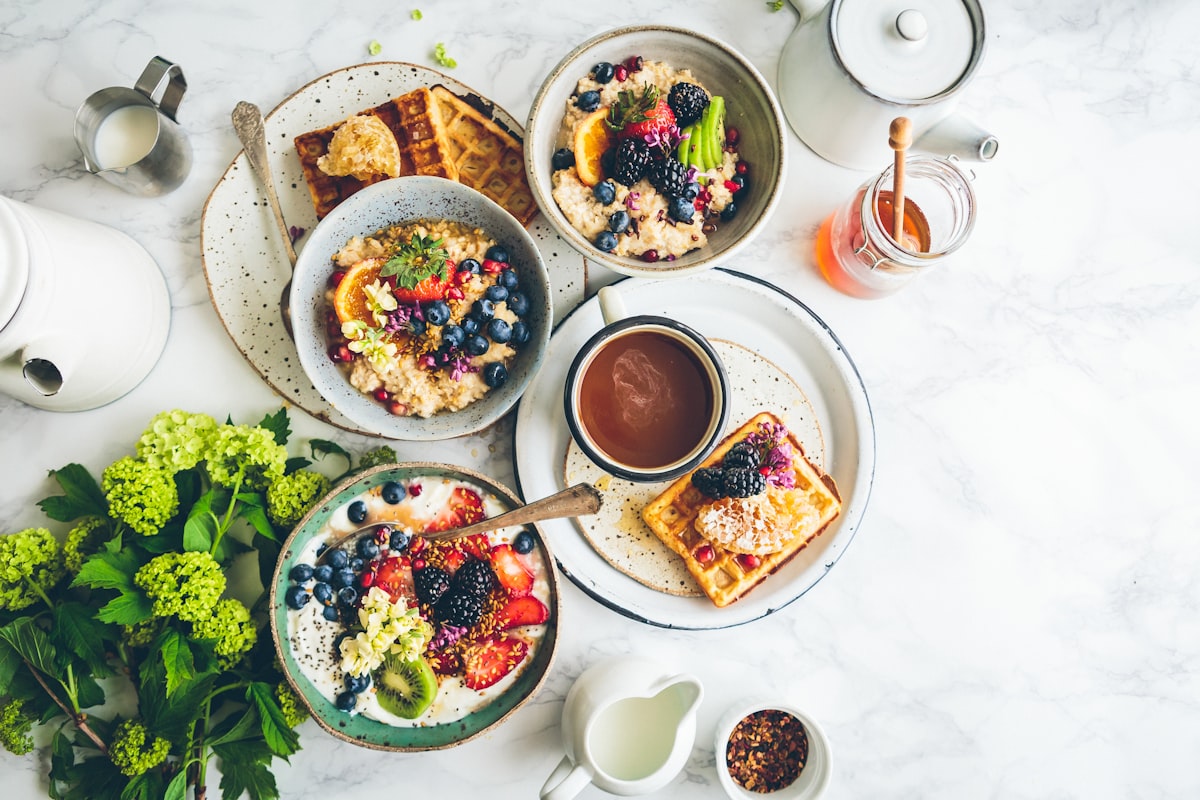
Transform Your Health with Smart Meal Prep
Discover the fundamental principles of meal preparation that help you maintain consistent nutrition, save time in the kitchen, and build lasting healthy eating habits. Freshmealacademy guides you through every step of the process.
The information on this site is for educational purposes only and does not constitute medical advice. Always consult a qualified healthcare professional before making health decisions.
Why Meal Prep Changes Everything
Master the essentials of food preparation to unlock consistent nutrition, reduce weekly stress, and establish eating patterns that support your long-term wellbeing.
Save Time Every Week
Dedicate 2–3 hours once weekly to prepare meals for the entire week. This concentrated effort eliminates daily cooking stress, reduces decision fatigue, and frees up evenings for activities you enjoy. Batch cooking becomes a habit that supports your lifestyle.
Maintain Consistent Nutrition
When meals are planned and prepared in advance, you avoid impulse food choices driven by hunger or convenience. You control portion sizes, ingredient quality, and macronutrient balance. Consistency over weeks and months creates the foundation for sustainable health improvements.
Reduce Food Costs
Buying ingredients in bulk, planning meals around seasonal produce, and minimizing food waste significantly lowers your weekly grocery budget. Meal prep eliminates costly last-minute takeout and food spoilage. Over months, these savings become substantial.
Build Healthy Habits
Meal prep transforms eating from a spontaneous activity into an intentional practice. By repeating this process weekly, you develop stronger awareness of what and how much you eat. Over time, better nutrition becomes your default, not an exception.
Support Your Fitness Goals
Whether you aim to build strength, improve endurance, or simply move more, meal prep ensures your nutrition aligns with your activity level. Prepared meals provide the fuel your body needs for workouts and recovery, helping you make measurable progress.
Reduce Decision Fatigue
Deciding what to eat multiple times daily drains mental energy. Meal prep eliminates this by making decisions once weekly. You know exactly what's in your fridge, ready to eat. This mental clarity extends to other areas of your life where focus matters most.
The 5-Step Meal Prep Framework
Follow this proven system to organize, prepare, and store meals efficiently every single week.
Plan Your Menu
Decide which recipes you'll prepare this week. Choose 2–3 protein sources, 3–4 vegetables, and 2–3 carbohydrate bases. Consider your schedule, available ingredients, and personal preferences. Write everything down or use a digital planner.
Shop Smart
Create a detailed grocery list from your planned recipes. Buy high-quality proteins, fresh vegetables, and whole grains. Check what you already have at home to avoid duplicates. Shop once weekly for efficiency and freshness.
Prep Ingredients
Wash, chop, and portion all ingredients. Marinate proteins, cook grains, and roast vegetables in batches. Use sheet pans and large pots to handle volume efficiently. Organize your workspace and clean as you go.
Cook & Assemble
Cook proteins and grains, roast vegetables, and prepare any sauces or dressings. Combine components into portioned meals. Use quality containers suitable for your portion sizes. Cool meals to room temperature before refrigerating.
Store & Label
Arrange prepared meals in your refrigerator where they're visible and accessible. Label each container with the meal name and preparation date. Establish a rotation system so older meals are eaten first. Most prepared meals stay fresh for 3–4 days when stored properly at 4°C or below.
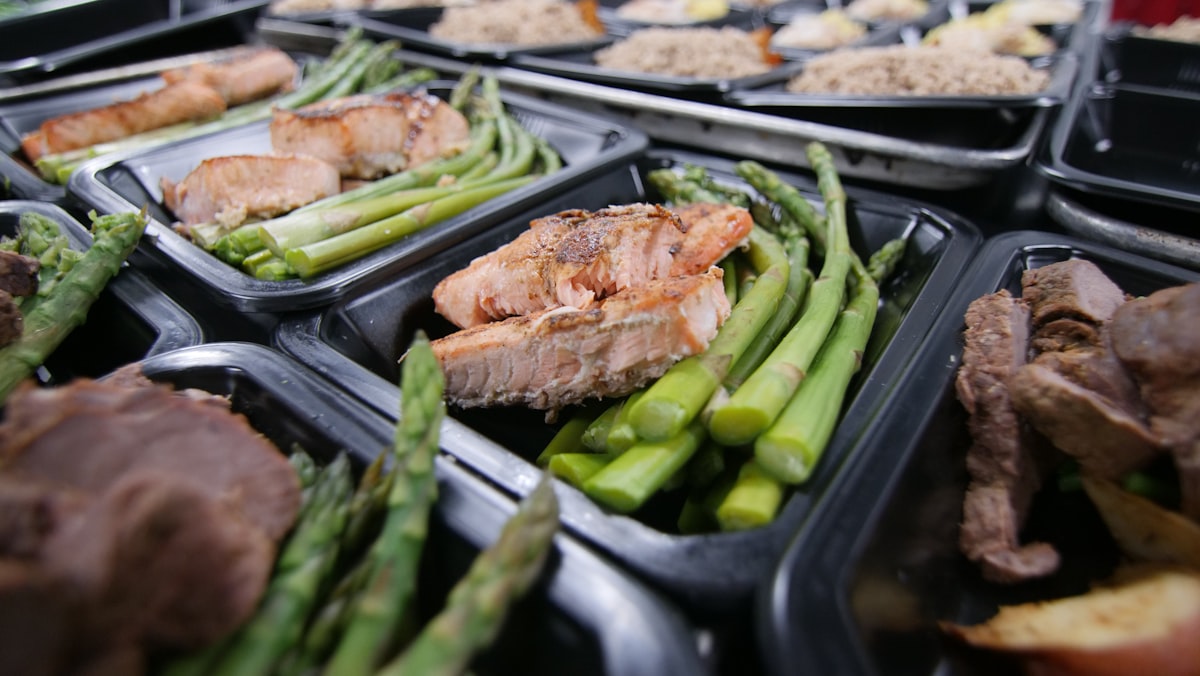
Essential Tools & Containers for Success
The right equipment makes meal prep faster, easier, and more sustainable. You don't need expensive gadgets—focus on practical containers and basic kitchen tools that support your workflow.
Glass or Plastic Containers
Glass containers with secure lids are ideal for storing prepared meals. They're durable, don't absorb odors, and last for years. Choose containers in 2–3 standard sizes for consistent packing.
Sharp Knives & Cutting Boards
A quality chef's knife and cutting board reduce prep time significantly. Sharp knives are safer and more efficient. Use separate boards for vegetables and proteins to prevent cross-contamination.
Sheet Pans & Large Pots
Sheet pans allow you to roast multiple vegetable portions simultaneously. Large stockpots enable batch cooking of grains and proteins. These tools make volume cooking efficient and manageable.
Food Scale & Measuring Tools
A digital food scale provides accuracy when portioning meals. Measuring cups and spoons help standardize recipes. Consistent portions make nutrition tracking simpler and more reliable.
Labels & Markers
Waterproof labels and permanent markers help you track what's inside each container and when it was prepared. Clear labeling prevents food waste and makes meal selection quick during busy weekdays.
The Real Impact of Meal Preparation
Compare how meal prep changes your approach to eating, planning, and wellness.
Without Meal Prep
- • Daily decisions about what to eat, often made when hungry
- • Frequent impulse food choices and takeout orders
- • Higher grocery costs due to frequent shopping and waste
- • Inconsistent nutrition across the week
- • Evening cooking stress and time pressure
- • Difficulty tracking portion sizes and intake patterns
- • Limited progress toward long-term health objectives
With Meal Prep
- • Meals already prepared; you simply select and eat
- • Intentional food choices made when calm and focused
- • Significant savings through bulk buying and waste reduction
- • Balanced, predictable nutrition every single day
- • Free evenings and reduced decision fatigue overall
- • Clear visibility into portions and intake patterns
- • Measurable progress toward your health and fitness goals
Frequently Asked Questions
Find answers to common questions about getting started with meal preparation.
Most people spend 2–4 hours weekly on meal prep, depending on how many meals they prepare and how many recipes they repeat. Your first session takes longer as you organize your system. After 3–4 weeks, you develop a rhythm and can work more efficiently. The time investment easily saves 5–10 hours during the week by eliminating daily cooking, shopping, and decision-making.
Most properly stored prepared meals remain safe to eat for 3–4 days when refrigerated at 4°C (40°F) or below. Cooked grains, proteins, and vegetables all fall within this window. For meals you won't eat within 3 days, freeze them in appropriate containers. Frozen meals last 2–3 months. Always label containers with the preparation date so you use meals in the correct order. Use your nose and eyes too—if something smells or looks unusual, discard it.
You can start meal prep with basic kitchen tools: a good knife, cutting board, sheet pans, large pots, and storage containers. Expensive equipment is not necessary. As you develop your system, you might add a food scale for accuracy or a slow cooker for convenience. Freshmealacademy recommends investing in quality containers first—they last years and make a real difference in how easy meal prep becomes. Everything else can wait until you identify your specific needs.
Absolutely. Meal prep actually becomes more valuable when you have specific dietary preferences. Whether you follow a vegetarian, gluten-free, dairy-free, or any other eating pattern, meal prep lets you plan meals that fit your needs. You control every ingredient. Many people find that having prepared meals makes it easier to stick to their chosen approach because the food is ready and convenient. Our guides include flexible recipes that work with different preferences and ingredients available in Germany.
Variety comes from rotating proteins, vegetables, grains, and seasonings weekly. Instead of eating identical meals, prepare 2–3 different recipes. Mix and match components to create different flavor combinations. Change your sauce or dressing to transform the same cooked vegetables into a different meal. Follow seasonal produce to enjoy fresh flavors throughout the year. After a few weeks, you'll develop a collection of favorite recipes that you rotate, preventing monotony while keeping prep manageable.
Most people choose Sunday afternoon or evening, preparing meals for the week ahead. However, the best time is whatever works with your schedule. Some people prep on Saturday morning, others mid-week to refresh meals prepared earlier. The key is picking a day that feels sustainable and stress-free. Consistency matters more than the specific day. Once you establish your routine, meal prep becomes part of your weekly rhythm, like a regular activity you anticipate rather than dread.
Sample Meal Ideas
Get inspired with these delicious, nutrient-packed meals that are perfect for your weekly prep
Quinoa Buddha Bowl
Protein-rich quinoa with roasted vegetables, chickpeas, and tahini dressing. Packed with fiber and essential nutrients.
Herb-Grilled Chicken
Tender grilled chicken breast with lemon and herbs, served with sweet potato and steamed broccoli.
Salmon & Vegetables
Wild-caught salmon baked with olive oil, served with roasted zucchini and brown rice pilaf.
What Our Students Say
Join thousands of people who've transformed their eating habits with Freshmealacademy
Sarah Johnson
Busy Professional
"Freshmealacademy changed my life! I went from ordering takeout five times a week to having healthy meals ready. I save money and feel so much better. The recipes are simple and delicious!"
Marcus Rodriguez
Fitness Enthusiast
"As someone serious about fitness, meal prep is essential. This academy gave me the knowledge to fuel my body properly. I've never felt stronger and my workouts have improved significantly!"
Emily Chen
Home Cook
"I loved learning techniques I'd never tried before. The instructors make everything accessible, even for beginners. Now I cook with confidence and my family loves eating at home!"